
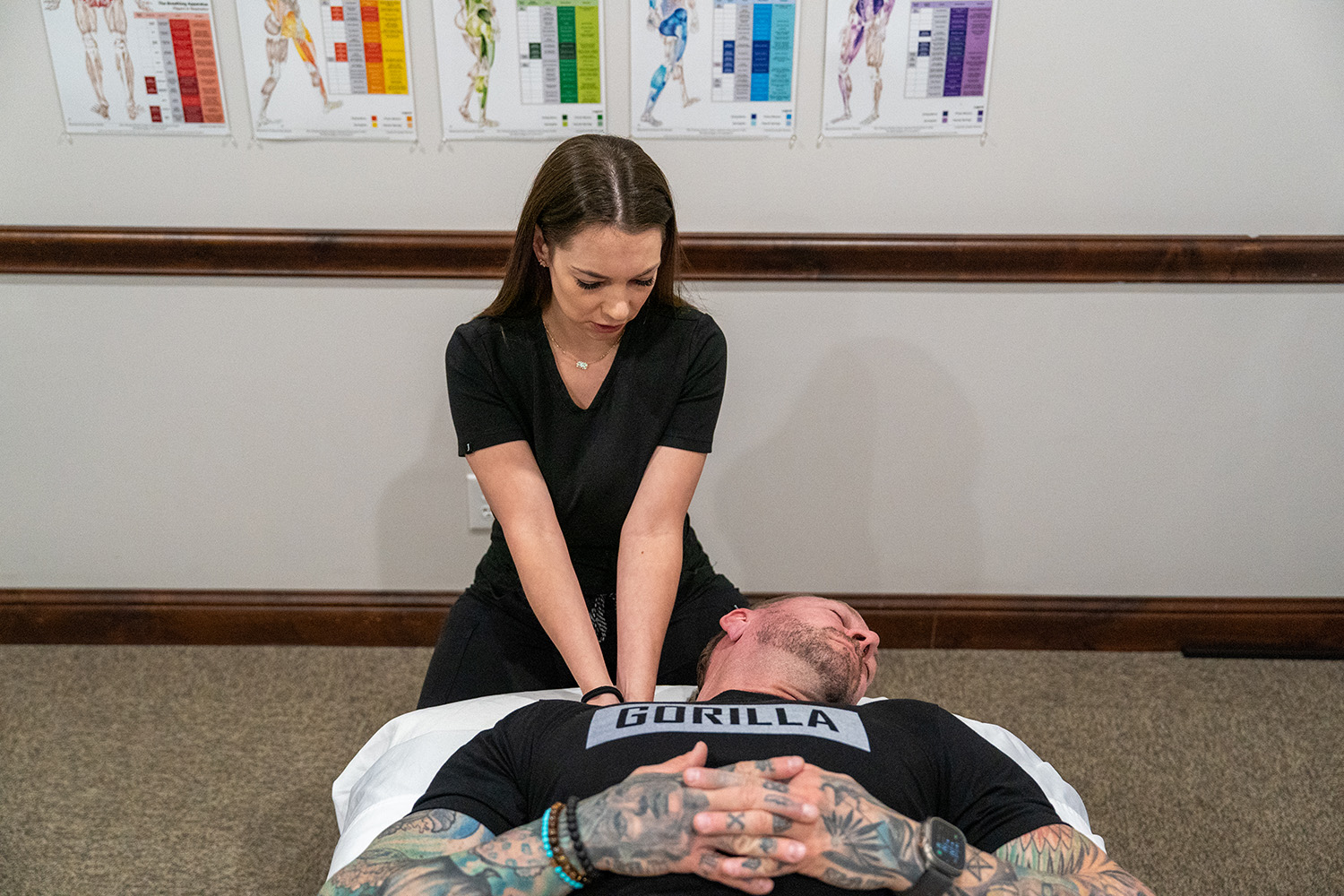
Therapeutic massage for jaw pain has gained popularity as a potential treatment for those suffering from TMJ disorders. Many individuals dealing with jaw pain often wonder if this approach truly works. In this post, we will debunk common myths and explore the effectiveness of therapeutic massage in managing TMJ symptoms.
Understanding TMJ Disorders
Temporomandibular joint (TMJ) disorders affect the joints and muscles that control jaw movement. Symptoms can include:
- Jaw pain or tenderness
- Difficulty chewing or pain while chewing
- Clicking or popping sounds when moving the jaw
- Headaches or earaches
- Facial pain
These symptoms can significantly impact daily life, leading many to seek various treatment options, including therapeutic massage.
Myth 1: Therapeutic Massage Is Just for Relaxation
One common misconception is that therapeutic massage is solely for relaxation. While relaxation is a benefit, therapeutic massage specifically targets muscle tension and pain. In the case of jaw pain, skilled therapists can focus on the neck, shoulders, and jaw muscles, which may be contributing to TMJ discomfort.
How Massage Works for TMJ
Therapeutic massage techniques can promote blood flow and reduce muscle tension. By targeting the muscles surrounding the jaw, therapists can help alleviate pain and improve jaw mobility. Techniques may include:
- Myofascial release
- Trigger point therapy
- Deep tissue massage
Each of these techniques can help ease the tightness in the muscles that may be causing jaw pain.
Myth 2: All Massage is the Same
Not all massage techniques are created equal. While some types of massage focus on relaxation, others are specifically designed to address musculoskeletal issues like TMJ disorders. It’s essential to seek a therapist who has experience working with jaw pain and TMJ disorders.
What to Look for in a Therapist
When searching for a massage therapist, consider the following:
- Experience with TMJ disorders
- Knowledge of anatomy related to the jaw and neck
- Client reviews and recommendations
A qualified therapist will tailor the session to your specific needs, ensuring the treatment is effective.
Myth 3: Massage Can Cure TMJ Disorders
While therapeutic massage can significantly relieve symptoms, it is not a cure for TMJ disorders. TMJ issues often stem from various underlying causes, including stress, teeth grinding, and misalignment of the jaw. A comprehensive treatment plan may include physical therapy, stress management techniques, and possibly dental interventions.
Complementary Treatments
Incorporating massage into a broader treatment plan can enhance overall effectiveness. Some complementary treatments include:
- Physical therapy
- Acupuncture
- Orthodontic treatment if misalignment is present
- Stress reduction techniques such as yoga or meditation
Combining these approaches can lead to better management of TMJ symptoms.
Myth 4: Massage Is Painful
Another myth surrounding therapeutic massage is that it is inherently painful. While some techniques may involve discomfort, a skilled therapist will ensure you are comfortable throughout the session. Communication with your therapist is key; they can adjust their techniques based on your comfort level.
The Importance of Communication
Before your massage session, share your symptoms and any areas of concern with your therapist. This will help them customize the treatment to suit your needs and minimize any discomfort.
Myth 5: Massage Is Only for Adults
Many believe that therapeutic massage is only suitable for adults. However, children and teenagers can also experience TMJ disorders. Young individuals may benefit from massage just as much as adults, especially if they are experiencing jaw pain due to stress or other factors.
Massage for All Ages
When working with younger clients, therapists should adapt their techniques to ensure safety and comfort. If your child is experiencing jaw pain, consulting a therapist experienced in pediatric massage can be beneficial.
Conclusion
Therapeutic massage for jaw pain can be an effective part of a comprehensive treatment plan for TMJ disorders. By debunking these myths, we hope to shed light on its potential benefits. If you are struggling with jaw pain, consider consulting a qualified therapist to discuss how therapeutic massage may fit into your treatment strategy.
At Frisco Massage Therapy, our experienced therapists are dedicated to helping you find relief from TMJ symptoms. Contact us today to schedule a consultation and take the first step toward managing your jaw pain.