You’re finishing up a workout when someone walks in from the locker room, tossing their gym bag down and pulling on a tank.
That’s when you notice it.
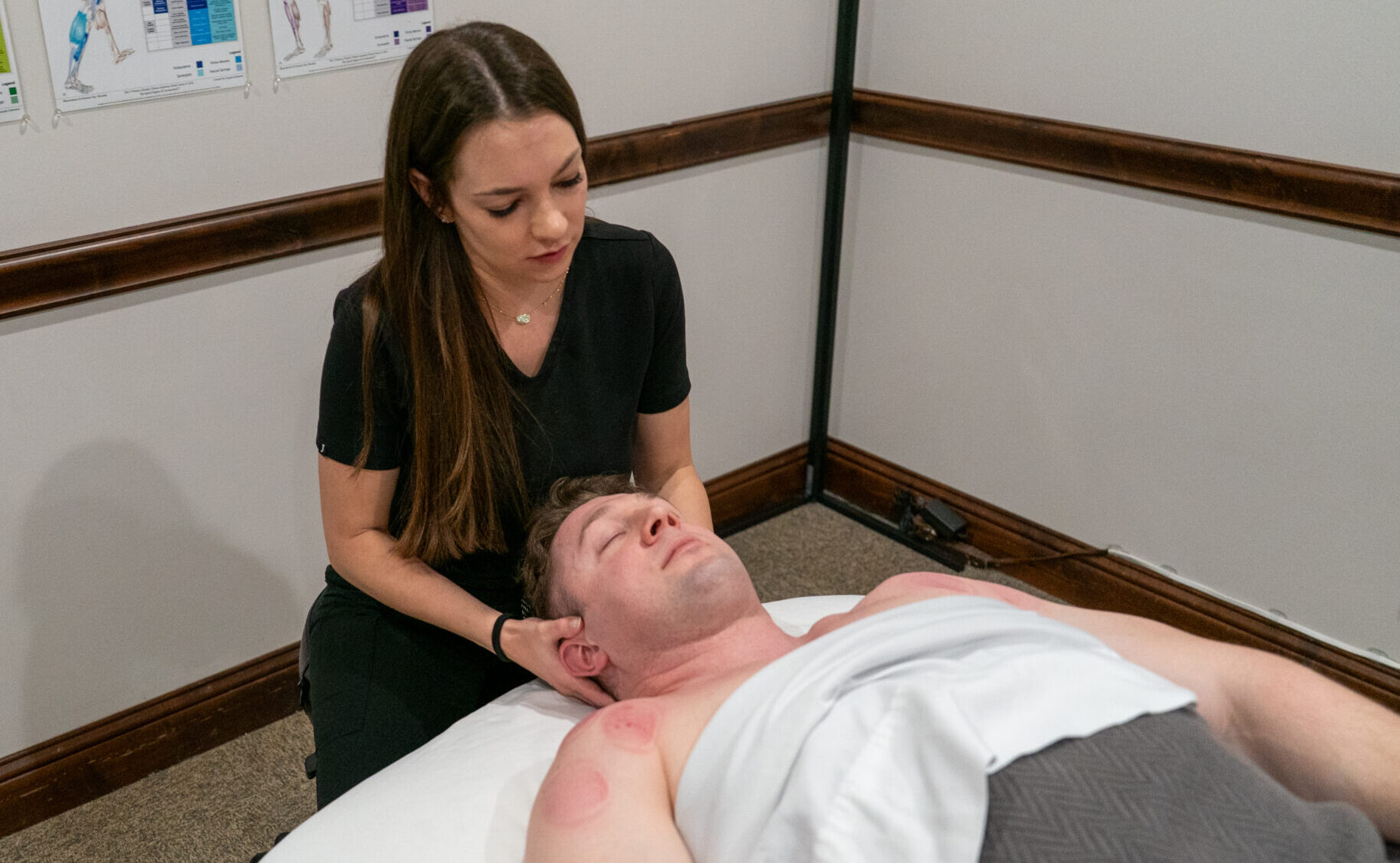
Dark, circular cupping marks stretch across their shoulders and down their back.
Someone nearby does a double-take.
“Whoa… what happened to your back?”
They shrug like it’s no big deal.
“It’s just from cupping.”
Another person jumps in, a little skeptical.
“Cupping? That looks like bruising…”
“Yeah, I thought the same thing,” someone else adds. “Isn’t that basically the same thing? Aren’t cupping marks bruises?”
Now the conversation has everyone’s attention.
And honestly, it’s a fair question.
At first glance, cupping marks really do look like bruises. The color, the shape, even how they fade over time can seem almost identical. So it’s easy to assume something went wrong.
But here’s where things start to shift.
Cupping marks are not bruises.
Even though they may look similar on the surface, they’re created in a completely different way and actually tell a very different story about what’s happening in your body.
Understanding that difference is key, especially if you’re considering cupping therapy for pain relief, recovery, or overall wellness. Because once you know what those marks really mean, they start to make a lot more sense.
Uncovering the Cupping Phenomenon and Cupping Marks Bruises Misconception
At Frisco Massage Therapy, we believe effective therapeutic massage should be personalized, intentional, and rooted in skilled, results-driven care. So let’s unpack the process of cupping and its effects. Cupping is an ancient technique used in massage therapy that involves placing cups on your skin to create suction. This suction lifts the skin, fascia, and superficial muscle layers, enhancing circulation and relieving muscular tension.
The dark circles that sometimes occur after cupping, often mistaken as cupping marks bruises, are due to hemoglobin processing under the skin’s surface, not from damaged blood vessels as in the case of bruises. Many clients at our Frisco clinic describe these marks as badges, momentarily highlighting the areas where stagnant blood, lymph, or cellular debris have been cleared away.
When to Expect Cupping Marks
Cupping marks are not a guaranteed outcome of every session. Various factors, such as your health conditions, the intensity of the suction, and even the technique of the therapist, can affect the appearance and duration of these marks. At Frisco Massage Therapy, we ensure our clients understand the possibility of discoloration and are comfortable with the process and its after-effects.
Common Misconceptions About Cupping Marks and Bruises
Oftentimes, people perceive cupping marks as bruises due to their similar appearance. However, bruises occur when capillaries are injured, causing them to leak blood beneath the skin surface. Cupping marks, on the other hand, are a result of drawing stagnant or congested blood, toxins, or cellular debris to the skin’s surface from deeper tissues and organs via suction, facilitating their expulsion from the body.
Some also mistakenly assume that the darker the mark, the more severe the underlying issue. This is not necessarily true. The color and pattern of the marks can provide some insights into the condition of your tissues, but they should not be seen as a diagnostic tool.
In the sunny, warm climate of Frisco, Texas, hydration levels can also affect your body’s responses and thereby the chances of marks appearing post-cupping. Higher hydration levels can often lead to fewer marks, as fluids can help move stagnation more efficiently.
Cupping – Not for Everyone?
Although cupping is generally safe, there are some situations where another form of therapeutic massage may be a better fit. For instance, it’s not recommended for individuals with skin conditions like eczema or psoriasis, those with high bleeding tendencies, pregnant women, or individuals currently undergoing cancer treatment.
The Frisco Massage Therapy Approach to Cupping
At Frisco Massage Therapy, we place our clients’ physical well-being at the forefront. Our massage therapists are trained in creating a relaxing and healing environment customized to each client’s health history and wellness goals. Our pursuit is for every client to experience meaningful improvement with every session, even if that means the temporary appearance of some unusual dark circles.
An Uncommon Insight into Cupping
One aspect that is often overlooked in general discourse about cupping is the emotional release it can trigger. Many clients report feeling emotional shifts during or after cupping sessions. This is because cupping can move stagnant energy, contributing to emotional healing alongside physical benefits.
To conclude, cupping marks are not bruises; they are simply a part of the healing process, signaling the removal of stagnation and toxins from your body. At Frisco Massage Therapy, we view these marks as a roadmap to understanding your body’s unique needs better. For more information on cupping and other therapeutic massage techniques, visit our website.